A life shaped by birth, fortune, and instinct
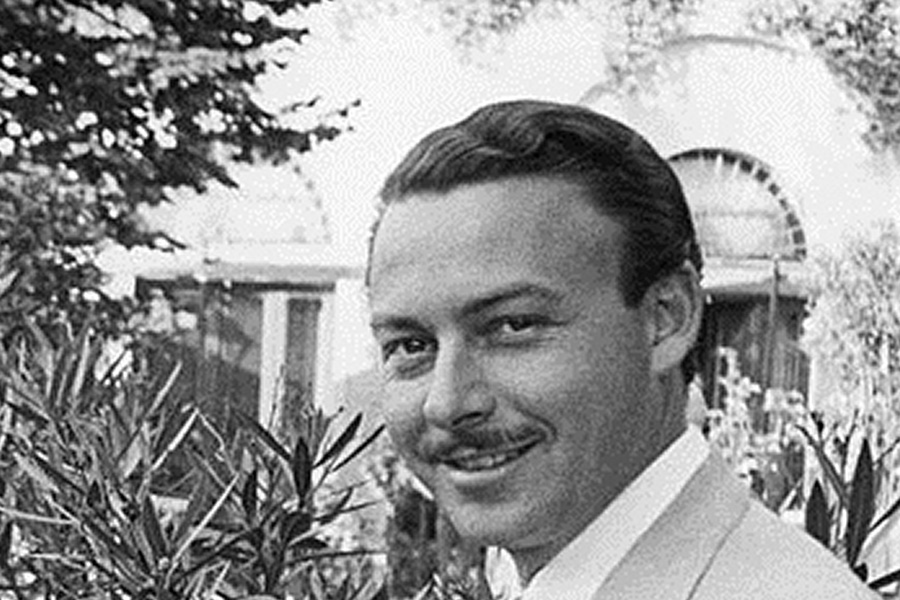
Prince Alfonso Of Hohenlohe-langenburg moved through the 20th century like a spark through dry grass. Titles, old names, and high expectations surrounded him when he was born in Madrid on 28 May 1924. His existence was more than decorative aristocracy. It was vivacious and practical. His nobility was more than just words. He used it for tools.
His family offered him a rare mix of European prominence and social reach. His father, Prince Maximilian Egon zu Hohenlohe-Langenburg, was from a historic German noble house. His mother, María de la Piedad de Yturbe y von Scholtz-Hermensdorff, contributed Spanish aristocratic grace and a cosmopolitan pedigree connecting old Europe to international diplomatic and cultural circles. His godfather was King Alfonso XIII of Spain, indicating his early association with high society and status.
I believe inheritance mattered, but not in a facile sense. It did not paralyze him. Having a stage, he built his own set.
The family tree around him
Prince Alfonso was part of a large and vivid family network. The people around him mattered not only because of blood, but because they helped shape the public story of the Hohenlohe name.
| Family member | Relationship | Notes |
|---|---|---|
| Prince Maximilian Egon zu Hohenlohe-Langenburg | Father | German princely line, major aristocratic heritage |
| María de la Piedad de Yturbe y von Scholtz-Hermensdorff | Mother | Spanish aristocrat, known as Piedita |
| María Francisca “Pimpinella” | Sister | Married Claudio Gamazo y Arnús |
| Christian | Brother | Married Carmen de la Cuadra y de Medina |
| Elisabeth | Sister | Married Joaquín Bertrán y Caralt |
| Max Emanuel | Brother | Alpine skier, later married twice |
| Beatriz “Teñu” | Sister | Married Gonzalo Alfonso Fernández de Córdoba y Larios |
| Princess Ira von Fürstenberg | First wife | Socialite, actress, model |
| Jocelyn Lane | Second wife | Actress and model |
| Marilys Healing | Third wife | Later life partner and wife |
| Christoph von Hohenlohe-Langenburg | Son | Born 1956 |
| Hubertus von Hohenlohe-Langenburg | Son | Born 1959, athlete and photographer |
| Princess Arriana Theresa Maria von Hohenlohe-Langenburg | Daughter | Born 1975 |
| Désirée zu Hohenlohe-Langenburg | Daughter | Born 1980 |
What stands out to me is how public and mobile this family was. Their lives crossed countries, languages, marriages, sports, fashion, and business. They were not sealed inside a castle. They moved like travelers on a polished chessboard.
Marbella and the invention of a dream
Prince Alfonso’s defining achievement was not inherited wealth. It was Marbella.
In 1947, he bought the Santa Margarita finca, and in 1954, he opened the Marbella Club with just 20 rooms. That detail matters. Grand legends often begin small. A single house can become a myth if the right person knows how to frame the light.
He transformed a coastal town into a destination for international society, artists, royals, celebrities, and business elites. Marbella became less a place than a mood. It was sun, discretion, and champagne under palm trees. It was a stage where old aristocracy and new glamour could pretend they had always belonged together.
I see him as a kind of social architect. He built more than a hotel. He built an atmosphere. He understood that luxury is not only about marble and linen. It is also about storytelling. A successful resort needs ritual, not just rooms.
His sense of promotion was sharp. He used events, visitors, and spectacle to turn Marbella into a name people repeated with longing. He helped create what people now call the jet set image of the Costa del Sol. That was his great commercial instinct. He knew that reputation, once polished, can become more valuable than land.
Work, business, and practical achievements
His career was a blend of hospitality, land, social branding, and later wine-making. He did not stay fixed in one role.
After building the Marbella Club, he expanded his influence through property and business judgment. He sold plots to wealthy figures and friends, and later sold his shares in the Marbella Club during the 1990s building boom. That is a useful clue about how he thought. He was not only a host. He was also a strategist.
Later in life, he moved to Ronda and devoted himself to wine. This shift feels important. It suggests that when the hotel chapter grew crowded, he still needed a new landscape to shape. Vineyards offered a slower, more rooted form of creation. If Marbella was a fireworks display, Ronda was a long burn in the hills.
He is also linked to the spread of padel in Spain. Accounts describe him building the first two courts in Marbella in 1974, which helped place him inside another chapter of Spanish leisure culture. That detail may seem minor beside hotels and nobility, but I think it reveals something essential. He liked forms of play that could become style, and style that could become social currency.
Marriages, partners, and personal life
Prince Alfonso’s personal and business lives were public. Princess Ira von Fürstenberg was his first wife, married in Venice in 1955. The dramatic wedding joined two glamorous European families. Christoph and Hubertus were their sons.
Christoph, born in 1956, perpetuated the Hohenlohe name until 2006. Hubertus, born in 1959, was the more famous son, noted for photography, sports, and cosmopolitanism. Alfonso’s name circulated throughout elite and sporting circles through them.
British actress and model Jocelyn Lane was his second wife. Their daughter Princess Arriana Theresa Maria was born in 1975 after their 1973 marriage. Arriana later gave birth to Olimpia Grace Boardman, continuing the family line.
Marilys Healing (or Haynes) was his third wife. In 1991, they married. After the glamorous resort years shaped his public image, this marriage seems to fit his quieter, later existence.
His sexual relationships with celebrities like Ava Gardner and Kim Novak show how much glamour, reputation, and social attraction shaped his life. Not only fame surrounded him. He attracted it.
The children and the family legacy
What interests me most is how the family legacy spread in different directions.
Christoph represented the continuation of the title and the old aristocratic line.
Hubertus gave the family a modern public face, especially through sport and media visibility.
Arriana connected the Hohenlohe story to a younger generation that still carries the social memory of the family.
Désirée, born in 1980, extends the line further and shows how the family remained active well beyond Alfonso’s own lifetime.
The Hohenlohe name became less about territorial rule and more about cultural influence. That is a striking transformation. In earlier centuries, nobility meant land. In Alfonso’s century, it increasingly meant image, networks, hospitality, and movement.
The final years and the shape of his legacy
Prince Alfonso died in Marbella on 21 December 2003, at the age of 79. By then, he had already become part of Marbella’s identity, almost like one of its architectural elements. You could remove the beach or the light and still recognize the town through his imprint.
What remains, in my view, is not just a hotel or a family name. It is a model of aristocracy adapted to modern commerce. He showed that title alone is thin, but title paired with vision can become powerful. He made luxury feel personal. He made a town feel like a private invitation.
FAQ
Who was Prince Alfonso Of Hohenlohe-langenburg?
Prince Alfonso Of Hohenlohe-langenburg was a Spanish born aristocrat, hotelier, and businessman best known for founding the Marbella Club and helping turn Marbella into a luxury destination.
When was he born and when did he die?
He was born on 28 May 1924 in Madrid and died on 21 December 2003 in Marbella.
Who were his parents?
His father was Prince Maximilian Egon zu Hohenlohe-Langenburg and his mother was María de la Piedad de Yturbe y von Scholtz-Hermensdorff.
Who were his wives?
He was married three times: first to Princess Ira von Fürstenberg, second to Jocelyn Lane, and third to Marilys Healing.
How many children did he have?
He had at least four publicly noted children: Christoph, Hubertus, Arriana Theresa Maria, and Désirée.
What was his biggest achievement?
His greatest achievement was creating the Marbella Club and helping shape Marbella into an international symbol of leisure, glamour, and high society.
Did he have any role in sports culture?
Yes. He is closely associated with the early spread of padel in Spain and is said to have built the first two courts in Marbella in 1974.